



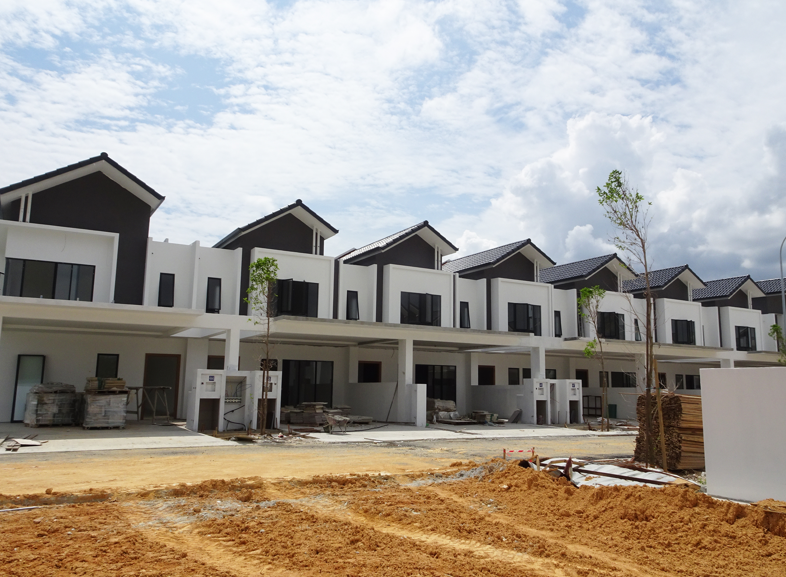
Cities are changing shape, and so is the housing built inside them. As urban populations grow denser and land becomes harder to come by, developers and architects are rethinking what it means to build a multi-family dwelling. The result is a wave of design, technology, and community-oriented thinking that is redefining urban living for renters and owners alike.
Compact, Flexible Living Spaces
Gone are the days when bigger automatically meant better. Today’s urban dwellers are prioritizing smart layouts over sheer square footage. Micro-units, convertible furniture, and multi-purpose rooms allow residents to live comfortably in smaller footprints without sacrificing functionality. Sliding walls, murphy beds, and modular storage systems are becoming standard features, giving residents the flexibility to reconfigure their space depending on the moment, whether that means hosting guests, working from home, or simply relaxing.
Shared Amenities as a Lifestyle Draw
Modern apartment communities are competing less on private square footage and more on shared experience. Rooftop lounges, coworking spaces, fitness studios, and communal gardens are increasingly treated as essential rather than optional add-ons. These shared spaces serve a dual purpose: they extend the usable living area beyond a resident’s individual unit, and they foster a sense of community that many people crave in dense urban environments. Some developments are even incorporating shared kitchens and dining halls, echoing a co-living model that blends privacy with social connection.
Sustainability at the Core
Environmental responsibility has moved from a nice-to-have to a baseline expectation in new housing developments. Energy-efficient building envelopes, solar integration, greywater recycling, and green roofs are appearing across a wide range of projects, not just luxury developments. Builders are also turning to sustainable materials, such as low-carbon concrete and responsibly sourced timber, to reduce the environmental footprint of construction itself. Beyond materials, many projects are designed with walkability and access to public transit in mind, reducing residents’ reliance on personal vehicles and supporting broader carbon-reduction goals.
Technology-Enabled Living
Smart home technology has become deeply embedded in the multifamily sector. Keyless entry systems, app-controlled climate and lighting, integrated package management, and predictive maintenance sensors are helping property managers streamline operations while giving residents greater convenience and control. Some communities are experimenting with centralized platforms that let residents book amenities, pay rent, and communicate with management all from a single interface, creating a more seamless living experience from move-in to move-out.
Adaptive Reuse and Mixed-Use Development
Rather than building exclusively from the ground up, many developers are turning to adaptive reuse, transforming underutilized office buildings, warehouses, and industrial structures into residential communities. This approach not only preserves architectural character and reduces construction waste but also helps address housing shortages more quickly than traditional new construction. Alongside adaptive reuse, mixed-use developments that combine residential units with retail, dining, and office space are becoming a defining feature of urban growth. These projects create self-contained neighborhoods where residents can live, work, and socialize without needing to travel far.
Designing for Wellness
Health and wellness considerations are increasingly shaping architectural decisions. Access to natural light, improved air filtration systems, biophilic design elements like indoor greenery, and dedicated outdoor spaces are being prioritized to support residents’ physical and mental well-being. Some developments are incorporating quiet zones, meditation spaces, or wellness rooms as part of their amenity packages, recognizing that urban living can be stressful and that thoughtful design can help offset that pressure.
Affordability Through Innovation
As affordability challenges persist in many cities, developers are exploring innovative construction methods to bring costs down without compromising quality. Modular and prefabricated construction techniques allow components to be built off-site and assembled quickly, reducing labor costs and construction timelines. These methods are helping expand the supply of housing in markets where demand consistently outpaces new construction.
Looking Ahead
The future of urban housing will likely continue to blend efficiency, sustainability, and community in ways that respond directly to the pressures of city living. As land constraints persist and lifestyles evolve, the multi-family dwelling will remain a central building block of urban development, adapting continuously to meet the needs of a changing population. Developers who embrace flexibility, technology, and thoughtful design will be best positioned to shape the neighborhoods of tomorrow.