



Pelvic organ prolapse occurs when the muscles and connective tissues that support the pelvic organs become weakened or stretched. As a result, organs such as the bladder, uterus, rectum, or small intestine may shift downward into the vaginal canal. This condition can develop due to childbirth, aging, menopause, chronic coughing, obesity, or frequent heavy lifting. Symptoms often include pelvic pressure, discomfort, urinary problems, bowel difficulties, and a sensation of tissue bulging from the vagina.
What Are Pessaries?
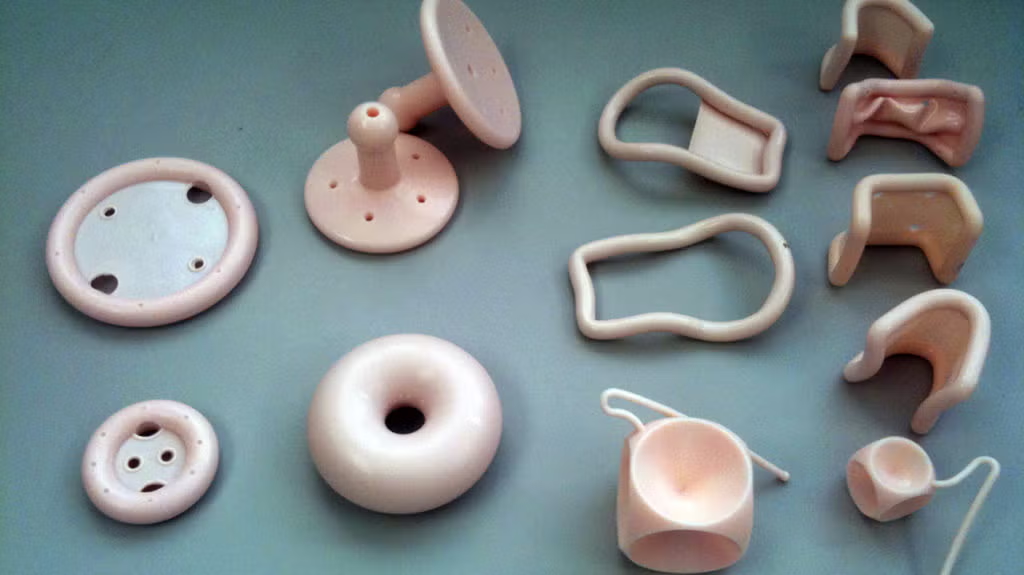
Pessaries are medical devices inserted into the vagina to provide structural support for pelvic organs that have descended because of weakened pelvic floor muscles. They are made from soft, medical-grade silicone or similar biocompatible materials and come in a variety of shapes and sizes to accommodate different anatomical needs and prolapse stages.
Unlike surgical procedures, pessaries offer a non-invasive treatment option that can significantly improve comfort and daily function while preserving normal activities.
How Pessaries Work
A pessary supports the vaginal walls and helps reposition the affected pelvic organs closer to their natural location. By reducing downward pressure, the device relieves many common symptoms associated with prolapse, including pelvic heaviness, urinary leakage, and discomfort during everyday activities.
Many individuals experience immediate symptom relief after receiving a properly fitted pessary from a healthcare professional.
Benefits of pessaries for pelvic organ prolapse
One of the greatest advantages of pessaries for pelvic organ prolapse is that they provide effective symptom management without requiring surgery. They are especially valuable for people who wish to delay surgery, have medical conditions that increase surgical risks, are planning future pregnancies, or simply prefer conservative treatment.
Additional benefits include:
- Immediate mechanical support
- Reduced pelvic pressure and discomfort
- Improved bladder and bowel function for many users
- Better mobility and physical activity
- Reversible and adjustable treatment
- Minimal recovery time
- Cost-effective long-term management
Types of Pessaries
Healthcare providers select the most appropriate pessary based on the type and severity of prolapse, patient anatomy, and personal lifestyle.
Ring Pessary
The ring pessary is one of the most commonly prescribed devices. It is easy to insert and remove and is often recommended for mild to moderate pelvic organ prolapse.
Gellhorn Pessary
Designed for more advanced prolapse, the Gellhorn pessary provides stronger support and is typically fitted and managed by a healthcare professional.
Cube Pessary
The cube pessary uses gentle suction to remain securely in place. It is often recommended for individuals with more severe prolapse when other pessary styles are less effective.
Donut Pessary
The donut pessary offers substantial support for advanced prolapse while remaining relatively comfortable for long-term use.
The Fitting Process
Proper fitting is essential for comfort and effectiveness. During an examination, a healthcare provider evaluates the degree of prolapse, vaginal anatomy, and individual needs before selecting an appropriate size and style.
Several fittings may be required before identifying the ideal pessary. Once properly fitted, the device should remain comfortable without causing pain or slipping during routine activities.
Daily Life with a Pessary
Most users can continue normal daily routines while wearing a pessary. Walking, light exercise, work, and many recreational activities can typically be performed without difficulty. Depending on the type of pessary and medical guidance, some individuals may also continue sexual activity.
Following the provider’s cleaning and maintenance instructions helps ensure long-term comfort and effectiveness.
Cleaning and Maintenance
Regular cleaning is essential to reduce the risk of irritation and infection. Some pessaries can be removed and cleaned by the patient at home, while others require scheduled office visits for removal, cleaning, and reinsertion.
Routine follow-up appointments allow healthcare providers to monitor vaginal health, confirm proper fit, and address any concerns before complications develop.
Possible Risks and Side Effects
Although pessaries are generally considered safe, some users may experience mild side effects, particularly during the initial adjustment period.
Potential issues include:
- Increased vaginal discharge
- Mild irritation
- Vaginal odor if cleaning is inadequate
- Minor spotting
- Difficulty with insertion or removal
- Pressure discomfort if incorrectly fitted
Prompt evaluation by a healthcare provider is recommended if persistent pain, bleeding, or signs of infection occur.
Who Is a Good Candidate?
Pessaries are appropriate for many individuals with pelvic organ prolapse, particularly those seeking a non-surgical treatment option. They are commonly recommended for older adults, postpartum patients, women awaiting surgery, those with chronic medical conditions, and anyone wishing to manage symptoms conservatively.
Each person’s treatment plan should be individualized based on symptom severity, overall health, and lifestyle preferences.
Supporting Pelvic Health Beyond Pessary Use
While pessaries provide excellent mechanical support, combining them with healthy lifestyle habits may improve long-term outcomes. Pelvic floor muscle exercises, maintaining a healthy body weight, avoiding chronic constipation, limiting heavy lifting, and managing persistent coughing can all help reduce additional strain on the pelvic floor.
Regular medical evaluations also ensure that treatment continues to meet changing health needs over time.
Conclusion
Pessaries remain one of the most effective non-surgical options for managing pelvic organ prolapse. When properly fitted and maintained, they can significantly improve comfort, reduce symptoms, and enhance quality of life. With multiple designs available and personalized fitting by a healthcare provider, many individuals successfully use pessaries for years while maintaining an active and independent lifestyle. Understanding treatment options and following recommended care practices can help patients achieve lasting symptom relief and greater confidence in their daily lives.