



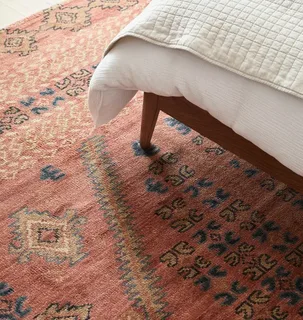
Interior design trends come and go. One year it’s minimalism, the next it’s maximalism. We see fast furniture fill up landfills and cheap decor fall apart after a few seasons. Yet, amidst this cycle of disposable goods, one item remains a constant staple of high-quality interiors: the hand-knotted rug.
You might think traditional craftsmanship doesn’t fit a modern, sleek aesthetic. You might assume these pieces belong in museums or dusty libraries. That assumption is wrong.
Hand-knotted rugs are the anchor your modern home needs. They bring warmth to industrial lofts, texture to minimalist apartments, and character to new builds. When you choose to buy rugs made by human hands rather than machines, you invest in art that serves a purpose.
Here is why these woven masterpieces are more relevant today than ever before.
The Human Touch in a Mass-Produced World
We live in an era of automation. Machines churn out thousands of identical carpets every hour. They look perfect on the surface, but they lack soul. A hand-knotted rug is different. It tells a story of patience and skill.
In Bhadohi, India’s hub of carpet weaving, artisans spend months—sometimes years—working on a single piece. The process happens on a vertical loom. The weaver ties individual knots onto the warp threads, one by one. This is not a manufacturing process; it is an art form.
At The Ambiente, this tradition runs deep. We work with a network of over 4,000 women weavers who carry this skill in their hands. When you place one of these rugs in your living room, you bring that human energy into your space. You can see the slight variations in the knots. You can feel the density of the wool. It creates a connection between the maker and the homeowner that a machine-made product simply cannot replicate.
Quality Materials You Can Feel
Modern manufacturing often relies on synthetic materials like polypropylene, nylon, and polyester. These are essentially plastics. They might feel soft initially, but they flatten quickly, trap odors, and contribute to microplastic pollution.
Hand-knotted rugs prioritize natural fibers. The most common materials are wool and silk.
The Power of Wool
Wool is the gold standard for floor coverings. It is naturally durable and springy. When you walk on wool, the fibers bounce back rather than matting down. It also contains lanolin, a natural wax that repels stains and dirt. This makes Handmade Rugs in India incredibly practical for busy households.
The Shine of Silk
Silk adds a layer of luxury. Artisans often use bamboo silk or real silk to highlight specific patterns within the rug. This material catches the light and changes the look of the rug depending on where you stand in the room.
When you combine these materials with the hand-knotting technique, the result is a product that looks better with age. The colors often soften and mellow, giving the rug a unique patina that synthetic rugs never achieve.
Bridging the Gap Between Traditional and Modern Design
A common misconception is that hand-knotted rugs only feature intricate, floral Persian designs. While those traditional patterns are timeless, the technique itself is versatile.
Designers today use the hand-knotting method to create contemporary art for your floor. You can find rugs with:
- Abstract patterns: Swirls of color that look like a modern painting.
- Geometric shapes: Bold lines and angles that complement mid-century modern furniture.
- Monochromatic textures: Rugs that rely on varying pile heights and textures rather than bright colors to create interest.
The Ambiente blends this traditional technique with modern aesthetics. Our founders, Avani and Ayush, understand that a rug dictates the mood of a room. Whether you want a bold statement piece or a subtle, grounding background, there is a hand-knotted option that fits.
In a modern home dominated by glass, steel, and concrete, a textile is essential. It softens the hard edges. It absorbs sound. It defines zones in open-plan living areas. A hand-knotted rug does this with a level of sophistication that mass-market rugs lack.
Unmatched Durability
“They don’t make them like they used to.” You hear this phrase often, but in the world of hand-knotted rugs, it doesn’t apply. They make them exactly like they used to, and that is why they last.
The structural integrity of a hand-knotted rug comes from the knots themselves. The pile is tied directly to the foundation. There is no glue involved.
Compare this to a hand-tufted rug. In a tufted rug, a worker uses a gun to shoot yarn into a canvas backing. They then glue a fabric on the back to hold the yarn in place. Over time, that glue dries out and crumbles. The smell can be unpleasant, and the rug eventually falls apart.
A hand-knotted rug can last for generations. It can withstand heavy foot traffic, pets, and kids. If a knot comes loose or the fringe wears down, a professional can repair it. This longevity makes it a sustainable choice. You buy it once, and you keep it forever.
What to Look For When You Buy Rugs
Entering the world of handmade rugs can feel overwhelming. Here are a few straightforward tips to ensure you get the real deal.
Check the Back
Flip the rug over. On a hand-knotted rug, the pattern on the back should mirror the pattern on the front. You should see the individual knots. If the back is covered with a canvas or fabric backing, it is not hand-knotted.
Look at the Fringe
The fringe of a hand-knotted rug is the end of the warp threads. It is an integral part of the rug’s structure. On machine-made or tufted rugs, manufacturers often sew or glue the fringe on separately.
Test the Density
Press your fingers into the pile. A high-quality rug will feel dense. You shouldn’t be able to easily push through to the foundation. We call this Knots Per Square Inch (KPSI). Generally, a higher KPSI means a finer, more detailed rug, though bolder geometric designs often use a lower knot count intentionally.
Trust the Source
Buy from sellers who know their product. At The Ambiente, we control the process from the loom to the showroom. We know exactly where the wool came from and who tied the knots. This transparency ensures you get authenticity.
Simple Care for Long-Lasting Beauty
People often fear ruining a nice rug, but these items are tough. They lived in tents and palaces for centuries before they reached modern suburbs. Maintaining them is simple.
- Vacuum Regularly: Dirt acts like sandpaper on the fibers. Vacuum often, but turn off the beater bar (the rotating brush) to avoid pulling on the knots.
- Blot, Don’t Rub: If you spill wine or coffee, act fast. Blot the liquid with a clean white cloth. rubbing pushes the stain deeper into the wool.
- Rotate It: The sun can fade colors over time, and foot traffic can wear down specific paths. Rotate your rug 180 degrees every six months to ensure it ages evenly.
- Professional Cleaning: Every few years, send it out for a professional wash. Do not steam clean it yourself, as this can trap moisture and damage the wool.
The Verdict
Your home deserves better than fast fashion. It deserves a foundation that offers comfort, style, and history.
Hand Knotted Rugs are not just floor coverings; they are investments in quality living. They support the livelihoods of skilled artisans in India and provide your home with a durable, beautiful centerpiece that withstands the test of time.
When you are ready to transform your space, look past the synthetic options. Choose a piece with character. Choose a piece that matters.
Visit The Ambiente to see how tradition meets modern design.
