



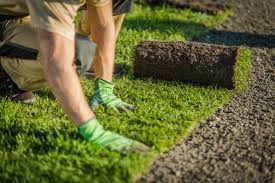
A lush, green lawn is the crowning jewel of any garden. Whether you’re starting from scratch, repairing bare patches, or completely renovating an tired yard, turf (also known as sod or instant lawn) remains one of the fastest and most reliable ways to achieve that carpet-like finish in a matter of hours rather than months.
In this in-depth guide, we’ll cover everything from understanding what turf actually is, the different types available, how to choose the right one, site preparation, the all-important question of When to lay turf, the laying process itself, and long-term aftercare. By the end, you’ll be fully equipped to create a lawn you can be proud of.
What Exactly Is Turf?
Turf is pre-grown grass that has been cultivated on specialist farms, usually for 12–18 months, until it forms a dense mat of grass blades, roots, and a thin layer of soil held together by the root system. It is cut into rolls or slabs (typically 1 m² or smaller “slabs” for easier handling) and delivered fresh to your door, ready to be laid like a living carpet.
Unlike seeding, which can take 6–12 weeks (or longer) to establish and is vulnerable to birds, weather, and weeds, turf gives you an instant result and a strong, weed-suppressed lawn from day one.
Types of Turf Available in the UK & Ireland
Not all turf is created equal. The mix of grass species in the seed blend dramatically affects appearance, durability, and maintenance needs.
- Luxury / Fine Lawn Turf High percentage of fine fescues and bentgrasses. Very fine texture, rich dark-green colour. Perfect for ornamental lawns that receive low to moderate foot traffic.
- Family / Hard-Wearing Turf Usually contains perennial ryegrass and smooth-stalked meadow grass. Tough, recovers quickly from play and pets. Slightly coarser appearance but still attractive.
- Shade-Tolerant Turf Higher proportion of shade-tolerant species such as Supina bluegrass or shade fescues. Ideal for gardens under trees or north-facing plots.
- Stadium / Sports Turf Almost 100 % dwarf perennial ryegrass bred for rapid recovery and wear tolerance. Used on football pitches and heavily used gardens.
- Wildflower Turf Pre-grown meadow mix containing native grasses and wildflowers. Low maintenance and fantastic for biodiversity.
- Low-Maintenance / Slow-Grow Turf Modern cultivars that need mowing only every 3–6 weeks and less feeding.
Always check the exact seed composition from your supplier — reputable growers will provide a breakdown.
When to Lay Turf: The Best (and Worst) Times of Year
Timing is arguably the single most important factor in turf success.
Ideal Times to Lay Turf
- Early autumn (September – mid October) — The gold standard. Soil is still warm from summer, moisture levels are rising, and weed competition is dropping. Roots establish quickly before winter.
- Late spring (April – May) — Second-best window. Warm soil + increasing daylight = rapid rooting. Just avoid late frosts.
Good (but not perfect)
- Early to mid-summer — Possible if you can water religiously. Heat and drought can stress new turf badly.
- Late autumn/early winter (November) — Still workable in mild years, but rooting will be slower.
Times to Avoid Completely
- Mid-winter (December – February) — Frozen or waterlogged ground prevents proper root contact.
- Peak summer heatwaves (July–August) — Unless you have irrigation and time to baby it, failure rates soar.
In short: the answer to “when to lay turf” is almost always early autumn or spring. If you miss those windows, wait rather than risk it.
Preparing the Ground — The Step Most People Rush (and Regret)
Poor preparation is the number-one cause of turf failure. Do it properly once and you’ll reap the rewards for decades.
Step-by-step ground preparation
- Clear the site Remove all old grass, weeds, stones, builder’s rubble, and perennial weeds (especially bindweed, nettles, and docks). Glyphosate-based weedkiller or manual digging are the two options.
- Dig or rotovate Turn the soil over to a depth of 15–20 cm. Remove any large stones or roots.
- Level roughly Rake to a roughly level surface. Fill any major hollows.
- Improve drainage (if needed) Heavy clay? Incorporate sharp sand or gritty material and consider installing land drains in extreme cases.
- Add organic matter (only if soil is very poor) A light dressing of well-rotted manure or quality topsoil can help, but most modern turf doesn’t need huge amounts.
- Apply pre-turfing fertiliser Use a balanced starter fertiliser high in phosphorus (e.g. 6-9-6 or similar) two to three days before laying.
- Final levelling Tread the area systematically (heel-to-toe) to reveal soft spots, then rake again. The final surface should be 2–3 cm below paths/patios to allow for the thickness of the turf.
- Final rake Create a fine, crumbly tilth. The soil should look like the top of a crumbly chocolate cake.
Do NOT skip the treading and levelling stage — it’s what separates a bowling-green finish from a lumpy mess.
Laying the Turf — Technique Matters
Order your turf to arrive the day you plan to lay it — never let it sit rolled up for more than 24–48 hours in warm weather.
The laying process
- Start along a straight edge (path, driveway, or string line).
- Lay the first row perfectly straight.
- Stagger the joints in a brickwork pattern — never line joints up.
- Butt joints tightly together — no gaps, but do not overlap.
- On slopes, lay perpendicular to the slope and peg if necessary.
- Use a sharp knife or old bread knife to trim edges.
- As each section is completed, lightly tamp with the back of a rake or use a turf tamper/lawn roller (⅓ filled with water).
Immediate Aftercare — The First Six Weeks Are Critical
- Watering — The golden rule: keep the underside of the turf and the top 5 cm of soil consistently moist (not waterlogged) for the first two weeks. In hot weather this can mean daily watering. After 10–14 days you should be able to gently lift a corner and see white roots knitting into the soil beneath.
- First mow — When grass reaches 4–5 cm (usually 2–3 weeks), mow lightly, removing no more than one-third of the length. Keep blades sharp.
- Stay off it — No football, no garden parties, no wheelbarrows for at least 3–4 weeks (longer in cold weather).
Long-Term Maintenance of a New Turf Lawn
- Feeding: Four to six weeks after laying, apply a summer lawn fertiliser. Feed again in late spring and summer.
- Scarifying & aeration: Start in year two.
- Weed control: Spot-treat only in the first year; broadleaf herbicides can be used safely from year two onwards.
- Mowing height: Keep luxury turf at 15–25 mm in summer; raise to 30–40 mm for family turf.
Common Mistakes to Avoid
- Laying on bone-dry soil in summer
- Not watering deeply enough (light sprinkling encourages shallow roots)
- Walking on newly laid turf too soon
- Cutting corners on levelling
- Buying cheap turf with high annual meadow-grass content (looks yellow and patchy within a year)
Final Thoughts
A turf lawn is one of the most satisfying projects a gardener can undertake. Done correctly — with good-quality turf, meticulous ground preparation, and sensible timing (ideally early autumn or spring) — you can transform a muddy building site into a velvet-green lawn in a single weekend.
Remember: the best time to lay turf was yesterday. The second-best time is today — as long as the weather is on your side.
