



Tucked into the northern folds of Greece, far from the noise of touristy islands, Halkidiki unfolds in three distinct fingers of coastline—each reaching deep into the Aegean, each holding stories older than memory. Beyond its pine-fringed beaches and crystalline waters lies a hidden world of myth and devotion. From mountain monasteries draped in silence to sea legends whispered by fishermen, Halkidiki offers more than a summer escape—it offers timeless wonder.
Most visitors come for the coastal charm, yet few know of the ancient ruins and sacred paths nestled inland, where monks once wandered in search of solitude and mermaids were said to guard the tides. Those willing to stray from the shoreline will find that Halkidiki holidays can become something truly otherworldly—a journey through mysticism, folklore, and forgotten sanctuaries.
Increasingly, curious travellers are turning to cultural and nature-focused holidays to Halkidiki, seeking a richer connection to the place and enjoying the beauty of nature. Some last-minute holidays all-inclusive now thoughtfully include experiences like monastery tours, local myth workshops, or off-the-grid hikes to crumbling chapels. Travelodeal has begun offering such curated escapes, giving travellers a taste of Halkidiki that extends far beyond sun and sand—into the realms of quiet magic and whispered stories.
The Monasteries That Time Nearly Erased
Scattered across Halkidiki’s rugged terrain are monasteries that once rivalled the grandeur of Mount Athos in spiritual significance. Though some now lie in ruins, they still bear the dignity of devotion carved into stone. The Monastery of Zygou, also known as Frangokastro, is one of the oldest monastic sites outside Athos—its haunting, roofless shell tells stories of ascetics and icon painters who once called it home.
Further inland, among the pine forests of Holomontas, small chapels hide behind twisting trails, their frescoes faded but still vivid in the atmosphere. Some were built as safe havens from pirates; others served as community lifelines during Ottoman times. Today, they are visited mostly by shepherds, hikers, and the occasional pilgrim who stumbles upon them not by plan, but by wonder.
Walking these paths is less a hike and more a kind of quiet meditation. The hum of bees replaces traffic noise. The wind through cypress trees sounds like ancient breath. It’s here, far from the beachfront cafés, that Halkidiki begins to reveal its soul.
Legends of the Sea: Mermaids and Maritime Myths
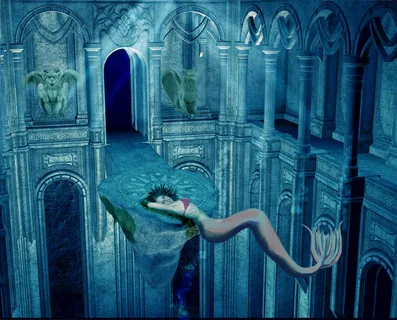
While the mountains hold stories of monks and miracles, the sea carries older, wilder legends—chief among them, the tale of the Gorgona. According to local myth, the Gorgona is a mermaid who guards the Aegean and asks passing sailors a question: “Is Alexander the Great alive?” A wrong answer is said to stir storms; a correct one calms the waves.
These legends are woven into local culture—retold by fishermen over ouzo at sunset, and painted on ceramics in tucked-away artisan shops. Some villagers swear the myths have roots in real sightings: distant silhouettes in the moonlight, voices carried by the wind, or strange dreams after a night’s swim.
Whether fact or folklore, these stories give Halkidiki an enchantment few destinations can match. The sea is not just a view—it’s a character, a keeper of secrets, and a backdrop for tales still very much alive.
A Journey Worth Wandering
To explore Halkidiki through its myths and monasteries is to experience Greece in a different key—one that hums softly but lingers deeply. It’s in the moment you light a candle in a forgotten chapel or pause by the sea where legends drift with the tide. It’s not about ticking boxes; it’s about listening to the land, letting it guide you through its layers.
In a region often known for its family resorts and beach clubs, this other side of Halkidiki is easy to miss—but impossible to forget. So, if your next trip allows for detours and deeper breaths, consider stepping off the well-worn trail. You just might find that the most meaningful parts of Greece are the ones that no map can show.
