



London is a city that demands you are fully switched on at all times. Whether you are navigating a packed commute, presenting to a client, or simply trying to keep up with the pace of daily life, your ability to hear clearly matters more than most people appreciate. For a growing number of Londoners, that clarity is being lost not to anything dramatic but to something entirely preventable: ear wax buildup. And with NHS services for routine ear wax removal now withdrawn across much of England, finding safe and effective professional treatment has become a pressing concern for millions of people in the capital.
The Scale of the Problem in London
Ear wax impaction is far more common than its low profile suggests. Around 2.3 million people across the UK require professional ear wax removal every year, and London sits at the sharp end of that demand. Around 3.9 percent of the city’s population is affected annually, with higher rates among older adults, hearing aid users, and anyone who spends extended time wearing in-ear headphones or earbuds.
Left unmanaged, the consequences go well beyond mild inconvenience. Progressive hearing loss, persistent tinnitus, ear infections, dizziness, and balance disruption are all associated with significant wax impaction. In older Londoners, untreated hearing loss has been linked to increased social isolation and accelerated cognitive decline. In a professional context, mishearing instructions or struggling in meetings carries its own costs. This is not a trivial condition.
How Living in London Makes Things Worse
Several aspects of London life actively accelerate wax buildup and make it harder for the ear to clear naturally. Daily headphone and earbud use on the Underground and during desk work traps heat and moisture inside the ear canal, increasing production and compacting existing wax further inward. Air-conditioned offices dry the canal out, prompting compensatory overproduction. High stress levels raise cortisol, which thickens ear secretions. Frequent travel through London’s airports introduces cabin pressure changes that compact wax against the eardrum.
Air quality adds to the picture too. London’s pollution levels mean particulate matter regularly enters the ear canal, mixing with cerumen and creating denser plugs that are harder to shift. The same lifestyle factors that define working life in the capital are the ones that make ear wax a recurring problem for so many of its residents.
Why the NHS Is No Longer the Answer for Most People
Until relatively recently, ear wax removal was a routine GP service. That has changed. RNID research confirms that the majority of Integrated Care Boards across England have stopped commissioning this service, despite NICE guidance recommending it remains available to patients with a clinical need. Around two thirds of people who now ask their GP for help are turned away. For those who cannot afford private care, the options become very narrow very quickly.
RNID’s Stop the Block campaign continues to call for national recommissioning, and the case for restoring universal access is well made. But the process is slow, and in the meantime, Londoners dealing with impacted wax need to understand their private options and how to navigate them safely.
The Risks of Going It Alone
When NHS access disappears, home remedies fill the gap. The problem is that most of them do not work reliably and some cause genuine harm. Cotton buds remain the most widely used and most consistently criticised option. They do not remove wax from the canal. They push it deeper and more firmly against the eardrum, while simultaneously causing micro-abrasions along the canal wall that invite bacterial infection. No audiologist or hearing health body recommends them for internal ear cleaning.
Over-the-counter drops soften wax but rarely expel it in cases of significant blockage. Softening a plug without shifting it can make it harder to remove professionally later. Home irrigation devices introduce water without any clinical oversight, making them unsafe for anyone with a history of perforations, surgery, or chronic infections. Ear candles have no clinical evidence of efficacy and carry active risks. For anything beyond the very mildest buildup, a professional assessment is always the right move.
Microsuction: The Method That Changes Everything
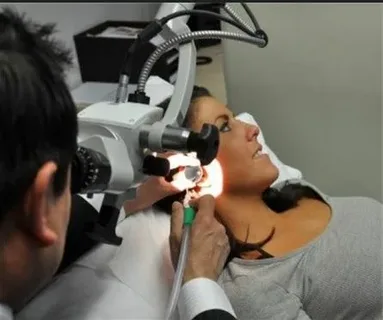
Microsuction has become the method of choice among audiologists and ear care specialists across London, and the reasons are straightforward. Rather than flushing the canal with water, a clinician uses a fine, low-pressure suction probe under direct magnification to remove wax cleanly and with precision. The clinician can see the ear canal and eardrum clearly throughout the entire procedure, which makes it significantly safer than any form of irrigation.
Because no water enters the canal, microsuction is safe for patients with perforated eardrums, grommets, a history of ear surgery, or chronic infections. Appointments take around 20 to 30 minutes. Many patients notice an immediate and significant improvement in their hearing as soon as the procedure is complete. Video otoscopy allows the clinician to show you the result directly, providing visible confirmation of a clear canal.
There is no downtime or recovery period. Patients walk out of the appointment and continue their day. For Londoners who have been managing muffled hearing or blocked ears for weeks or months, the contrast is often striking.
What to Look for in a London Provider
The private ear wax removal market in London has grown significantly as NHS provision has contracted. Not all providers operate to the same standard, so knowing what to look for before booking is important.
The key indicators of a reputable clinic are CQC registration, which confirms the service meets national healthcare standards, and treatment carried out by qualified audiologists rather than unregulated practitioners. The clinic should use microsuction as its primary method. A thorough pre-treatment examination using an otoscope should be carried out before any procedure begins, and patients should leave with clear aftercare guidance on maintaining ear health between appointments.
Auris Ear Care (https://www.aurisearcare.co.uk/ear-wax-removal-london) meets all of these standards. Their clinicians deliver microsuction-based ear wax removal across London, combining precise clinical technique with thorough examination and genuine patient education. For Londoners who have been turned away by their GP or let down by home remedies, Auris Ear Care represents exactly the kind of accessible, expert-led service the market needs.
Simple Prevention Habits That Make a Real Difference
Once your ears have been professionally cleared, a few consistent habits will help reduce the likelihood of repeat impaction:
Apply two or three drops of olive oil to each ear two or three nights per week. This keeps wax soft and supports natural migration out of the canal. Clean the outer ear only, using a damp cloth. Never insert anything into the canal itself. Give your ears regular breaks from in-ear headphones, particularly during long commutes or extended desk sessions. Keep listening volume at 60 percent or below to reduce heat buildup and canal stress. Book an annual check with a qualified audiologist if you wear hearing aids, are over 50, or have experienced problems before.
When to Seek Urgent Help
The majority of ear wax cases develop gradually and can be addressed through a routine appointment. However, certain symptoms warrant same-day clinical attention rather than waiting. Seek urgent advice if you experience sudden hearing loss in one or both ears, sharp pain inside the ear, discharge or bleeding from the canal, severe dizziness, or any facial weakness. These symptoms can indicate a ruptured eardrum, acute infection, or another condition that needs prompt assessment and should not be left until a scheduled slot.
Hear London Clearly Again
Ear wax removal London is one of the most searched health services in the capital for a simple reason: the need is real, the NHS is no longer meeting it, and Londoners are looking for reliable private alternatives. Whether you are dealing with symptoms right now or simply want to stay on top of your hearing health before problems develop, the most important step is finding a qualified, CQC-registered provider who uses evidence-based microsuction.
For professional ear wax removal London using gold-standard microsuction, visit Auris Ear Care: https://www.aurisearcare.co.uk/ear-wax-removal-london
