



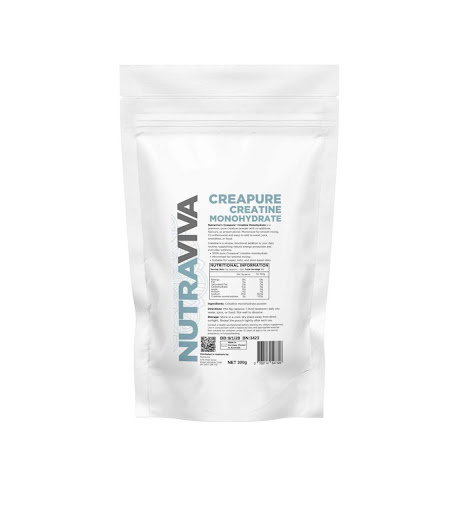
If you’ve ever stepped into a gym, you’ve probably heard someone mention creatine monohydrate. It’s one of the most researched and effective supplements for building muscle, improving strength, and boosting athletic performance.
But what exactly is creatine? How does it work? And is it really safe to use long-term?
Let’s explore everything you need to know about creatine monohydrate, how it transforms your workouts, and how to use it properly for the best results.
What Is Creatine Monohydrate?
Creatine monohydrate is a naturally occurring compound made from three amino acids – arginine, glycine, and methionine. Your body already produces small amounts of creatine, and you can also get it from foods like red meat and fish.
However, during intense training, your muscles need extra energy – and that’s where creatine supplementation comes in.
When you take creatine, it’s stored in your muscles as phosphocreatine, which helps produce more ATP (adenosine triphosphate) – the body’s primary energy source.
More ATP = more energy = better performance in the gym.
How Creatine Works in the Body
Here’s how creatine helps you train harder and recover faster:
- Increases ATP Production:
Creatine rapidly restores ATP levels during workouts, allowing you to lift heavier and train longer. - Improves Muscle Hydration:
It pulls water into your muscle cells, making them fuller and giving a “pumped” look while enhancing muscle growth. - Boosts Protein Synthesis:
Creatine supports faster muscle repair and new tissue growth after workouts. - Enhances Recovery:
It reduces muscle fatigue and soreness, helping you recover faster between training sessions.
Top Benefits of Creatine Monohydrate for Gym & Fitness
1. Faster Muscle Growth
Creatine helps increase lean muscle mass by improving workout performance and cell hydration. Studies show that users gain 2–5 lbs of muscle in just the first few weeks of consistent use.
2. Explosive Strength and Power
If you lift weights or do high-intensity training, creatine helps you push heavier loads and complete more reps – perfect for bodybuilding, CrossFit, or athletics.
3. Better Workout Performance
More ATP means better endurance and energy. You’ll notice less fatigue and more consistent strength throughout your sets.
4. Enhanced Muscle Recovery
Creatine reduces muscle cell damage and inflammation, helping you recover faster and train more often.
5. Increased Muscle Volume (Pump Effect)
Creatine draws water into your muscle fibers, giving a fuller, more defined look – often visible within a week of usage.
6. Supports Long-Term Muscle Maintenance
Even during rest periods or cutting phases, creatine helps maintain lean muscle tissue and prevents breakdown.
How to Use Creatine Monohydrate
Step 1: Loading Phase (Optional)
For faster results, start with a loading phase of:
20 grams per day (split into 4 doses of 5g each) for 5–7 days.
This helps saturate your muscles with creatine quickly.
Step 2: Maintenance Phase
After loading, switch to a maintenance dose of:
3–5 grams daily.
Take it consistently, even on rest days, to keep your muscles saturated.
Best Time to Take Creatine
- Post-workout: Mix it with a protein shake or carb source (like banana or juice) for better absorption.
- On rest days: Take any time, preferably with a meal.
Pro Tip: Combine creatine with whey protein and carbs – it improves uptake and gives faster results.
Natural Food Sources of Creatine
Although supplements are the easiest way to get creatine, you can also find it in foods like:
- Beef
- Chicken
- Tuna
- Salmon
- Pork
However, you’d need to eat over 1 kg of meat to get the same amount of creatine as one 5g scoop – so supplements are far more practical.
Side Effects and Safety
Creatine monohydrate is one of the safest and most researched supplements in the world.
Still, here are a few things to note:
- Mild water retention is normal (it’s muscle hydration, not fat gain).
- Drink plenty of water – at least 3–4 liters daily.
- Avoid excess caffeine if you experience stomach discomfort.
No evidence links creatine to kidney or liver damage in healthy individuals. It’s safe for long-term use when taken as directed.
Creatine Monohydrate vs. Other Forms
| Type | Description | Effectiveness |
| Creatine Monohydrate | Pure, most researched form | ⭐⭐⭐⭐⭐ |
| Creatine HCL | More soluble, smaller dose needed | ⭐⭐⭐⭐ |
| Buffered Creatine (Kre-Alkalyn) | Claims to reduce bloating | ⭐⭐⭐ |
| Creatine Nitrate | Better mixability, less data | ⭐⭐ |
💡 Verdict:
Creatine monohydrate remains the gold standard – affordable, effective, and scientifically proven.
FAQs About Creatine Monohydrate
Q1: Is creatine safe for beginners?
Yes! It’s one of the best supplements for beginners and professionals alike. Just stick to the recommended 3–5g daily.
Q2: Do I need to take creatine every day?
Yes. Consistency is key – even on rest days – to maintain muscle saturation.
Q3: Can creatine cause bloating or weight gain?
It may cause slight water retention inside muscles, giving a fuller look – not fat gain.
Q4: Can I take creatine without protein powder?
Yes, creatine works independently. But combining it with protein and carbs boosts results.
Q5: How long should I take creatine?
You can take it continuously – studies show it’s safe for long-term use (over 5+ years).
Conclusion
Creatine Monohydrate is not just a supplement – it’s a performance enhancer. From building lean muscle and boosting strength to improving recovery, it’s one of the most powerful, science-backed additions to any fitness plan.
