



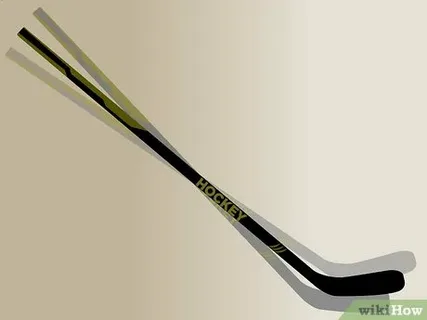
When it comes to hockey, your stick is more than just a tool—it’s an extension of your body on the ice. The right stick can improve your control, shot power, and overall performance, while the wrong one can make even basic plays feel awkward. With so many options in hockey supplies, understanding key features like flex, length, and material can help you make the right choice for your playing style and skill level.
Understanding Flex: How Your Stick Responds to Power
Flex refers to how much a stick bends when you apply pressure, usually measured as a number between 40 and 110. A lower flex number means the stick is softer and bends more easily, which can help generate power on wrist shots. Higher flex numbers are stiffer and can give better control for slap shots or when handling the puck at high speeds.
Choosing the correct flex depends on your strength, position, and style of play. For instance, a forward who relies on quick wrist shots may prefer a softer stick, while a defenseman taking hard slap shots from the blue line might need a stiffer option. Trying out different flexes during practice is the best way to see what feels comfortable and effective.
Finding the Right Length: Reach, Balance, and Comfort
Length is another critical factor in stick performance. Too long, and you risk losing puck control and accuracy. Too short, and your reach and leverage are compromised. A common rule is that the stick should reach between your chin and nose when standing in skates, but personal preference and position also matter.
Goalies, for example, often choose shorter sticks for quicker reactions, while forwards and defensemen consider longer sticks to maintain reach and stickhandling advantage. Remember, the right length isn’t just about measurement—it’s about how natural the stick feels in your hands when moving, shooting, and passing.
Material Matters: Wood, Composite, or Hybrid
Hockey sticks come in a variety of materials, each offering unique benefits. Traditional wooden sticks are durable and affordable, providing excellent feel and control. Composite sticks, made from carbon fiber and other materials, are lighter, stronger, and allow for more flex options, making them popular among competitive players. Hybrid sticks combine the feel of wood with the strength of composite for a balanced performance.
Material choice also affects durability and shot speed. Composite sticks can last longer under intense play, but wood sticks are easier to repair or replace if damaged. Testing different materials in your playing style will help determine what feels natural and enhances your performance on the ice.
Grip and Blade Curve: Small Details with Big Impact
While flex, length, and material are essential, don’t overlook the grip and blade curve. The grip determines how securely your hands hold the stick, impacting shot control and handling. Some players prefer textured or tacky grips for extra security, while others like a smooth finish for better hand movement.
Blade curves also affect puck control and shooting. A deeper curve helps lift the puck easily for wrist shots, while a straighter blade provides more accuracy for passing and slap shots. Experimenting with small differences in curves can make a noticeable difference in your game and help fine-tune your overall performance.
Personalizing Your Choice: Match Your Stick to Your Game
Ultimately, the best hockey stick is one that complements your style, strength, and position. Take the time to try different flexes, lengths, materials, and blade curves. Listen to how your hands feel during stickhandling and how your shots respond in practice or scrimmages. Don’t rush—choosing the right stick is an investment in your comfort and success on the ice.
Consulting with knowledgeable staff at stores that specialize in hockey supplies can also provide guidance. They can help match you with sticks tailored to your position, experience level, and personal preferences.
Conclusion
Selecting a hockey stick isn’t just about picking the most expensive or popular option—it’s about finding the right combination of flex, length, material, grip, and blade curve for your game. The right stick can enhance control, accuracy, and power, while a poor choice can limit your performance and enjoyment. By understanding these key factors and experimenting with different options, you can find a stick that feels like an extension of your body, helping you perform your best every time you hit the ice. Whether you’re a beginner or a seasoned player, taking the time to choose wisely ensures every pass, shot, and play feels effortless and confident.
