



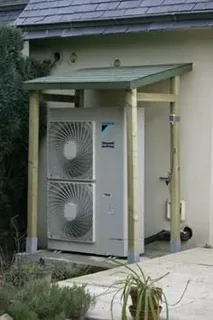
When it comes to protecting your heat pump, investing in a quality cover is essential. A well-chosen heat pump cover can extend the lifespan of your system, prevent damage from harsh weather, and maintain optimal performance. This guide will walk you through everything you need to know about choosing the right heat pump cover.
Why You Need a Heat Pump Cover
Heat pumps are designed to withstand outdoor conditions, but extreme weather like snow, ice, rain, and debris can still cause wear and tear. A durable heat pump cover:
- Shields against snow, ice, and rain.
- Prevents debris from entering vents and coils.
- Protects from UV rays that can degrade materials.
- Reduces maintenance needs and prolongs lifespan.
By investing in a reliable cover, you save on repairs and improve your system’s efficiency.
Key Factors to Consider When Choosing a Heat Pump Cover
1. Material Quality
The material of the cover plays a crucial role in its effectiveness. Look for covers made from:
- Heavy-duty polyester: Waterproof and durable.
- UV-resistant fabric: Prevents fading and cracking from sunlight exposure.
- Breathable materials: Reduces moisture buildup and prevents mold.
2. Proper Fit
A cover that is too small or too loose can be ineffective. Measure your heat pump’s dimensions accurately, including height, width, and depth. Some covers are adjustable or come with straps to ensure a snug fit.
3. Ease of Installation
Choose a cover that is easy to put on and remove. A cover with elastic edges, buckles, or drawstrings can save time and prevent frustration, especially during seasonal changes.
4. Ventilation Features
Covers with built-in vents allow airflow, preventing condensation and corrosion. Proper ventilation is essential to maintain the health of your heat pump.
Types of Heat Pump Covers
There are several types of heat pump covers available:
- Universal Covers: Designed to fit a variety of models; convenient if you have multiple heat pumps.
- Custom Covers: Tailored for your specific model; provides a perfect fit and optimal protection.
- Seasonal Covers: Lightweight for winter protection or full-year coverage for all-weather defense.
Tips for Maintaining Your Heat Pump Cover
- Clean the cover regularly to prevent dirt and debris buildup.
- Remove the cover during active operation to avoid restricting airflow.
- Inspect for tears or wear and replace if necessary to maintain protection.
Following these simple steps ensures your heat pump cover remains effective for years to come.
Conclusion
Choosing the right heat pump cover is not just about aesthetics—it’s about safeguarding your investment. By considering material, fit, ventilation, and type, you can select a cover that keeps your system safe, efficient, and long-lasting. A good heat pump cover is a small investment that pays off with reduced maintenance costs and extended equipment life.
