



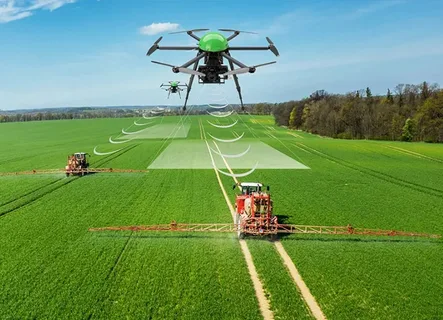
Precision agriculture is transforming modern farming by integrating advanced technologies, data analytics, and smart farming techniques. While the adoption of precision agriculture promises increased efficiency, higher yields, and reduced environmental impact, farmers and agribusinesses face several challenges alongside exciting opportunities. This article explores the challenges and opportunities in adopting precision agriculture and how the agricultural sector can navigate them.
Understanding Precision Agriculture
Precision agriculture involves the use of technologies such as GPS-guided equipment, drones, sensors, and data analytics to optimize farming practices. By monitoring soil conditions, crop health, and weather patterns in real-time, farmers can make informed decisions, reduce waste, and improve productivity.
Challenges in Adopting Precision Agriculture
Despite its potential, adopting precision agriculture comes with significant challenges:
1. High Initial Investment
Implementing precision agriculture requires investment in sophisticated equipment, software, and training. Many small and medium-sized farms find the upfront costs prohibitive, making adoption slower.
2. Technical Complexity
Precision agriculture relies on data collection, analysis, and interpretation. Farmers must either learn to use these technologies or hire experts, which can be a barrier for those unfamiliar with digital tools.
3. Data Management and Security
The vast amount of data generated by precision agriculture systems must be securely stored and managed. Concerns about data privacy and ownership can hinder widespread adoption.
4. Infrastructure Limitations
Rural areas may lack the necessary internet connectivity and technical support for implementing precision agriculture tools effectively.
Opportunities in Adopting Precision Agriculture
While the challenges are real, precision agriculture also offers remarkable opportunities:
1. Increased Crop Yields
By applying precise amounts of water, fertilizers, and pesticides, farmers can significantly increase crop productivity while minimizing waste.
2. Sustainable Farming Practices
Precision agriculture promotes environmentally friendly practices by reducing resource usage, controlling soil degradation, and limiting chemical runoff.
3. Cost Efficiency in the Long Run
Though initial investment is high, precision agriculture can reduce long-term costs through better resource management, optimized labor, and improved crop quality.
4. Data-Driven Decision Making
Access to real-time farm data enables proactive decision-making, allowing farmers to anticipate problems before they escalate, improving resilience against climate variability.
Conclusion
The challenges and opportunities in adopting precision agriculture are closely intertwined. While high costs, technical complexity, and infrastructure limitations pose obstacles, the potential for increased productivity, sustainability, and profitability makes it a worthwhile investment for the future of farming. By addressing these challenges through education, infrastructure development, and policy support, precision agriculture can become accessible and transformative for farms worldwide.
