



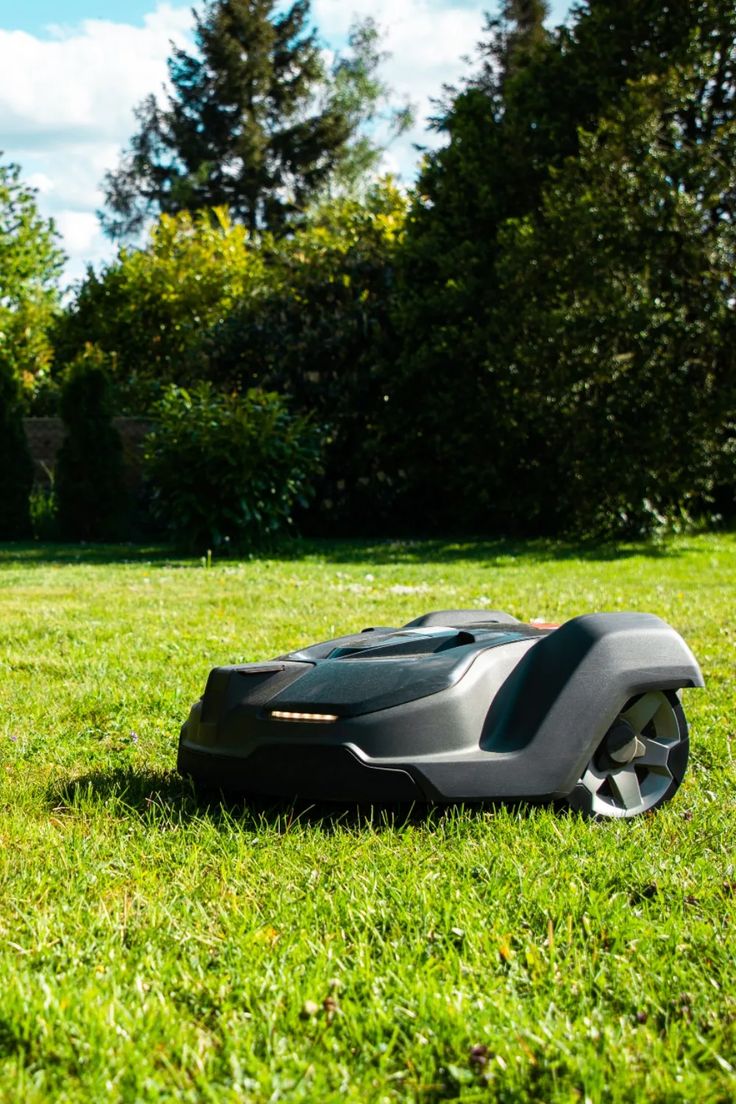
The true intelligence of an automatic grass cutting robot lies in its ability to navigate your lawn with precision and efficiency. Gone are the days when robot mowers simply bounced around randomly; modern models are equipped with sophisticated smart navigation technologies that ensure comprehensive coverage, adapt to complex layouts, and minimize the need for human intervention. For homeowners seeking an effortless and intelligent lawn care solution, understanding and prioritizing these advanced navigation systems is key to choosing the best lawn robot.
1. GPS/RTK (Real-Time Kinematic) Precision
The pinnacle of smart navigation technology in automatic grass cutting robots is the integration of GPS, often enhanced with RTK (Real-Time Kinematic) systems. This combination provides unparalleled accuracy in positioning and mapping.
- How it Works: RTK systems use satellite signals combined with a local reference station (or a network of stations) to correct GPS inaccuracies, achieving centimeter-level precision. This means the robot knows its exact location on your property at all times.
- Benefits for Navigation:
- Wire-Free Operation: Eliminates the need for physical boundary wires, simplifying installation and offering immense flexibility for defining mowing areas and “no-go zones” via a smartphone app.
- Systematic Mowing Patterns: Unlike random patterns, RTK-enabled robots can mow in precise, parallel lines, ensuring every inch of the lawn is covered efficiently without redundant passes. This is particularly beneficial for large, open lawns.
- Multi-Zone Management: Allows for effortless navigation between and management of multiple distinct mowing zones (e.g., front yard, backyard, side garden), each with its own specific schedule and parameters.
- Theft Protection: GPS tracking provides a robust anti-theft feature, allowing you to monitor your mower’s location in real-time.
- Models to Look For: Leading examples include the Husqvarna Automower EPOS series and the Mammotion LUBA 2 AWD series, which are highly regarded for their RTK-based navigation.
2. Vision-Based Mapping and AI
Another advanced form of smart navigation utilizes onboard cameras and artificial intelligence, allowing the robot to “see” and interpret its environment.
- How it Works: Robots equipped with vision systems use cameras to create a visual map of the lawn. AI algorithms then process this visual data to identify grass areas, distinguish between mowable surfaces and obstacles, and adapt their navigation accordingly.
- Benefits for Navigation:
- Dynamic Obstacle Avoidance: Enables proactive obstacle detection and avoidance. The mower can identify objects like pets, toys, or garden furniture before making contact, slowing down or rerouting to bypass them entirely.
- Adaptability: The robot can adapt to changes in the environment (e.g., a new garden bed, temporary play equipment) without requiring manual re-mapping.
- Wire-Free Potential: Some vision-based systems also offer wire-free operation, relying solely on visual cues to define boundaries.
- Models to Look For: Brands like ECOVACS GOAT and certain Eufy models are incorporating advanced vision systems for intelligent navigation and obstacle avoidance.
3. Advanced Terrain Handling and Passage Navigation
Smart navigation isn’t just about knowing where you are, but also how to get there and what to do when the path is challenging.
- Advanced Terrain Handling (AWD & Suspension): For lawns with varied topography, premium robots often feature all-wheel drive (AWD) and advanced suspension systems. This enables them to tackle steep slopes (often exceeding 40% gradient), navigate uneven ground, and traverse challenging obstacles like tree roots or small divots with stability and ease, minimizing the chance of getting stuck.
- Corridor/Passage Navigation: Sophisticated algorithms allow the mower to reliably navigate narrow passages and complex routes between zones without getting lost or stuck, ensuring complete coverage of your entire property. This is crucial for gardens with intricate layouts.
4. Adaptive Scheduling and Smart Home Integration
Smart navigation also extends to how the robot manages its mowing schedule and interacts with your home.
- Adaptive Scheduling: Robots can integrate with local weather forecasts (e.g., automatically pausing before heavy rain or extreme heat) or even detect grass growth rates to optimize mowing frequency. Some can also adjust their schedule based on your presence (e.g., mowing when you’re away from home).
- Seamless Smart Home Integration: Full compatibility with voice assistants (Amazon Alexa, Google Assistant) and IFTTT (If This, Then That) allows for hands-free control and custom automation routines, making the mower an integral part of your connected home.
By focusing on these cutting-edge smart navigation technologies, homeowners can select an automatic grass cutting robot that not only keeps their lawn immaculate but also provides unparalleled convenience, intelligence, and peace of mind.
