



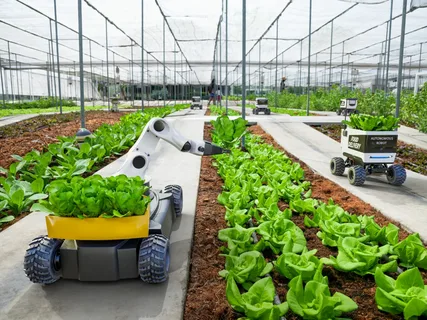
The world of agriculture is on the brink of a technological revolution, driven by the rise of autonomous tractors and robots. As traditional farming practices meet the demands of a rapidly changing global population and the need for sustainable practices, autonomous machines are emerging as a game-changer in the field. In this article, we’ll explore how autonomous tractors and robots are shaping the future of farming, creating a smarter, more efficient, and sustainable smart agriculture landscape.
The Rise of Autonomous Technology in Farming
Over the last few decades, the agricultural industry has undergone significant transformations, largely due to advancements in technology. The introduction of autonomous tractors and robots is one of the most exciting developments to date. These machines, powered by artificial intelligence (AI), machine learning, and sensor technologies, are set to revolutionize how farmers plant, maintain, and harvest crops.
Autonomous tractors, for example, are designed to operate without human intervention, driven by GPS and on-board sensors. They can carry out tasks like plowing, seeding, and spraying with extreme precision, reducing the need for labor and increasing efficiency. Meanwhile, autonomous robots are being developed to take on more specialized tasks such as weeding, crop monitoring, and even harvesting delicate fruits and vegetables.
How Autonomous Tractors Are Transforming Farming
Increased Efficiency and Productivity
One of the main benefits of autonomous tractors is their ability to work around the clock, regardless of weather conditions. These machines can run 24/7, which increases productivity and ensures that time-sensitive tasks like planting and harvesting are completed at optimal times. With real-time data collection, autonomous tractors can make precise decisions that improve crop yields and reduce waste.
Precision Agriculture and Reduced Resource Use
Autonomous tractors are equipped with advanced sensors that allow them to perform precise tasks like seed placement, irrigation, and fertilization. This level of precision leads to more efficient use of resources like water, fertilizers, and pesticides. By applying these resources only where they are needed, autonomous machines help to minimize environmental impact and promote sustainable farming practices.
Labor Cost Reduction
Labor shortages have been a persistent issue in the agricultural sector, particularly during planting and harvest seasons. Autonomous tractors help alleviate this problem by reducing the need for human workers. While human oversight is still necessary, the heavy lifting tasks can be performed by machines, freeing up workers to focus on other aspects of farm management.
The Role of Robots in Farming
While autonomous tractors are primarily designed for large-scale operations, robots play a more specialized role in modern agriculture. These robots are being used for a variety of tasks, such as crop monitoring, pest control, and harvesting delicate crops that require a gentle touch.
Crop Monitoring and Data Collection
Autonomous robots can be equipped with a range of sensors to monitor crop health and soil conditions. These robots can capture high-resolution images, measure moisture levels, and detect diseases, all of which provide valuable insights to farmers. By gathering real-time data, robots help farmers make informed decisions, allowing them to adjust their farming practices to optimize yields and prevent crop losses.
Weeding and Pest Control
Weed and pest control is another area where autonomous robots are making an impact. Robots equipped with advanced vision systems can identify and target weeds, removing them without damaging crops. This method is more environmentally friendly than traditional herbicides, reducing chemical usage and promoting healthier soil.
Harvesting Delicate Crops
Certain crops, such as strawberries or tomatoes, require delicate handling to avoid bruising or damaging the fruit. Autonomous robots, designed with advanced gripping systems and soft-touch technology, are ideal for this task. These robots can harvest crops faster and more gently than human workers, improving efficiency and reducing waste.
The Future of Farming: A Smarter, More Sustainable Industry
Integration of AI and IoT in Agriculture
The future of farming is deeply intertwined with the Internet of Things (IoT) and artificial intelligence (AI). Autonomous tractors and robots are just the beginning. As AI continues to evolve, these machines will become even smarter, capable of learning from past experiences and adapting to new challenges. IoT devices will allow farmers to monitor every aspect of their farm remotely, from soil moisture levels to machine performance, leading to a more connected and intelligent farming ecosystem.
Environmental Sustainability
The push for sustainable farming practices is becoming stronger as the global population continues to grow. Autonomous tractors and robots play a key role in reducing waste, lowering carbon footprints, and conserving natural resources. By optimizing the use of water, pesticides, and fertilizers, autonomous machines contribute to more sustainable agricultural practices that help protect the planet for future generations.
Challenges and the Road Ahead
Despite the promising potential, there are still challenges to overcome in the widespread adoption of autonomous tractors and robots. High initial costs, technical limitations, and the need for skilled operators to oversee operations are some of the hurdles that farmers face. However, as technology continues to improve and become more affordable, these challenges will likely diminish, paving the way for broader integration into the farming industry.
Conclusion: A Smart Future for Farming
The rise of autonomous tractors and robots marks the beginning of a new era in agriculture. These innovations are set to transform the industry by increasing efficiency, reducing resource consumption, and promoting sustainable practices. As technology continues to evolve, we can expect to see even more intelligent, connected farming solutions that will reshape the way we grow food in a smart world. The future of farming is bright, and autonomous machinery will undoubtedly play a key role in feeding the world in an environmentally responsible way.
