



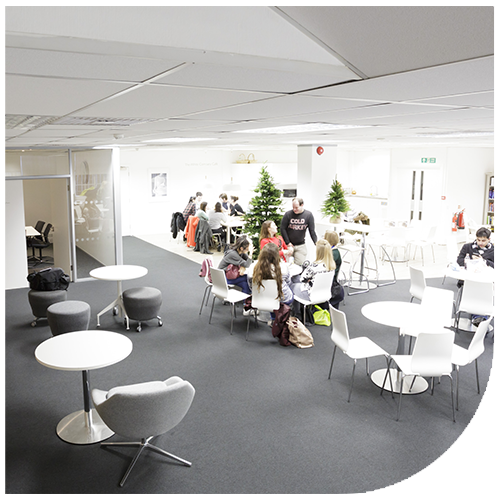
Commercial decorating is about much more than applying fresh paint to walls. Offices, retail units, restaurants, hospitality venues, communal buildings and other business premises need decorating work that combines appearance, durability, careful preparation and efficient project management.
Contents
ToggleFor businesses, disruption can be costly. A decorating project therefore needs to be planned around employees, customers, opening hours, furniture, equipment and other trades. Professional standards for painting and decorating emphasise proper preparation, protection of surrounding areas, safe working practices and achieving the finish specified for the project.
What Is Commercial Decorating?
Commercial decorating covers the preparation and finishing of business premises. Depending on the property, this may include walls, ceilings, doors, woodwork, metal surfaces, exterior areas and decorative wall coverings.
Unlike a small residential decorating project, commercial work may involve larger areas, tighter deadlines and more complicated access arrangements. A business may also need parts of the building to remain operational while decorating takes place.
Experienced Painters and decorators in London can help businesses plan the work around these practical requirements while maintaining a consistent finish throughout the property.
Types of Commercial Properties That Need Decorating
Different commercial environments have different decorating requirements.
Offices
Office decorating may involve reception areas, meeting rooms, corridors, staircases, open-plan workspaces and private offices. High-traffic areas may require particularly durable finishes because walls and woodwork can experience frequent contact.
Colour choices can also contribute to the appearance of a professional workplace. Neutral shades are often selected for larger areas, while stronger colours may be introduced through feature walls or branded areas.
Retail Units
Retail premises need to look attractive while coping with customers, deliveries and everyday wear. Walls, entrances, display areas and fitting rooms may require finishes that are practical to maintain.
A decorating programme may also need to be completed outside normal trading hours to reduce disruption.
Restaurants and Hospitality Venues
Restaurants, cafés and hotels often require careful consideration of cleaning, durability and appearance. Walls and ceilings can be exposed to greater levels of everyday wear than those in some offices.
Decorators may therefore need to select appropriate products and preparation methods for the particular environment rather than simply choosing paint based on colour.
Communal and Managed Buildings
Commercial decorating can also cover corridors, staircases, reception areas and other shared spaces. In these environments, decorators must consider residents, visitors, staff and other people who may continue using the building during the project.
Why Preparation Is So Important
A professional-looking finish begins before the first coat of paint is applied. Surface preparation can involve cleaning, scraping, sanding, filling cracks or holes, repairing imperfections, priming and sealing appropriate areas.
The UK’s occupational standards for painting and decorating specifically identify preparation techniques such as washing, stripping, scraping, abrasion, filling, levelling, priming and sealing.
Skipping preparation can leave visible defects beneath the new coating. Paint may also fail prematurely if the existing surface is unsuitable or contaminated.
For commercial premises, good preparation is particularly important because large walls and ceilings can make imperfections highly noticeable.
Creating a Commercial Decorating Specification
Before work begins, the client and decorating contractor should establish what is actually required.
A useful specification can identify:
- Areas to be decorated
- Existing surface conditions
- Required preparation
- Paint systems and finishes
- Colours and colour references
- Number of coats
- Furniture and floor protection
- Access requirements
- Working hours
- Project phases
- Completion and inspection arrangements
BS 6150 is a recognised British Standard covering good practice in the preparation, initial painting and maintenance painting of buildings, including offices, hotels, schools and other public buildings.
A clear specification can reduce misunderstandings and make it easier to compare quotations from different contractors.
Planning Around Business Operations
One of the biggest differences between commercial and residential decorating is the need to work around ongoing business activities.
A decorating contractor may need to consider:
- Employee working hours
- Customer access
- Deliveries
- Security arrangements
- Noise
- Ventilation
- Shared entrances and corridors
- Other contractors
- Building management requirements
For an occupied property, the project can sometimes be divided into sections. For example, decorators might complete one floor or group of rooms before moving to another area.
This approach can allow a business to continue operating while the decorating work progresses.
Protecting Furniture, Equipment and Finished Areas
Commercial premises can contain expensive furniture, computers, displays, machinery and other equipment. Protecting these items should therefore form part of the preparation process.
Professional decorating practice includes protecting surrounding areas and adjacent finishes from damage and keeping the working environment organised.
Suitable protection can include floor coverings, protective sheeting, masking materials and careful movement or storage of furniture.
The objective is not simply to prevent paint splashes. Good protection also helps reduce dust, accidental damage and unnecessary cleaning after the project.
Choosing Paint and Finishes for Commercial Use
The appropriate paint depends on the surface, environment and intended use of the room.
For example, a busy corridor may require a more durable finish than a rarely used private office. A hospitality environment may have different maintenance requirements from a conventional workplace.
Water-based products may be appropriate in many interior situations, while specialist coatings can be considered where particular performance characteristics are required.
The contractor should follow the relevant manufacturer’s instructions and consider the existing substrate before recommending a coating system.
Health and Safety Considerations
Commercial decorating can involve sanding, chemicals, dust, ladders, access equipment and potentially hazardous existing materials. Professional standards therefore place considerable emphasis on safe working practices.
Skills guidance for painters and decorators includes risk assessment, method statements, personal protective equipment, dust suppression and safe use of working-at-height equipment.
Older buildings may also require additional consideration where lead-containing coatings or asbestos-containing materials could be present. Such issues should be assessed appropriately rather than disturbed casually during preparation.
Where decorating forms part of wider construction or refurbishment work, additional project-specific health and safety responsibilities may apply.
Working at Height in Commercial Buildings
Some commercial premises have high ceilings, stairwells, atriums or difficult external areas. These locations require suitable access planning.
Depending on the circumstances, appropriate equipment could include towers, podiums, scaffolding or specialist access systems.
The important point is that access should be planned according to the specific site rather than improvised during the job. Safe working-at-height procedures are part of the professional skills expected within the decorating trade.
Exterior Commercial Decorating
External decorating can involve additional challenges because surfaces are exposed to weather and environmental conditions.
Before exterior painting begins, decorators should assess the condition of masonry, render, timber, metal or other substrates. Surface preparation and product selection should reflect the material and expected exposure.
Weather conditions can also affect application and drying. Excessive moisture, unsuitable temperatures or rain may interfere with the performance of some coatings.
For larger commercial buildings, access and protection can become significant parts of the project.
Managing a Commercial Decorating Project
A well-organised project usually follows a logical sequence.
1. Initial Assessment
The contractor examines the property, surfaces, access arrangements and scope of work.
2. Specification and Quotation
The required preparation, materials, finishes and programme are established before work begins.
3. Site Preparation
Furniture, equipment and nearby surfaces are protected, while the work areas are prepared safely.
4. Surface Preparation
Existing coatings are cleaned, repaired, sanded, primed or otherwise prepared as required.
5. Painting and Decorating
The specified coatings or wall coverings are applied according to the agreed system.
6. Inspection and Finishing
The completed areas are checked for coverage, consistency, defects and touch-ups before handover.
This structured approach helps keep a commercial decorating project organised and makes responsibilities clearer.
How to Choose a Commercial Decorating Contractor
Businesses should look beyond the lowest quotation when selecting a contractor.
Consider asking potential Painters and decorators in London about their experience with commercial properties, preparation methods, project scheduling, protection procedures and approach to working around occupied premises.
It is also useful to request a detailed written quotation rather than relying on a basic price. The quotation should make it clear what preparation, materials, labour and finishing work are included.
Previous commercial experience can be particularly valuable when the project involves large areas, tight deadlines, multiple trades or restricted access.
Keeping the Project on Schedule
Commercial decorating often has a deadline connected to a business event, reopening, tenancy, refurbishment or operational requirement.
To reduce delays, the client should provide access information early and communicate any restrictions to the decorating team.
Materials, colours, access equipment and preparation requirements should ideally be agreed before work starts. Unexpected surface problems can still arise, but early inspection gives the contractor an opportunity to identify potential complications.
Final Inspection and Handover
The final stage should involve inspecting the completed work carefully.
The client can check:
- Colour consistency
- Coverage
- Edges and corners
- Doors and woodwork
- Repaired surfaces
- Feature walls
- Wall coverings
- Areas around fixtures
- General cleanliness
Any agreed snagging work can then be completed before the project is formally handed over.
Understanding Permissions and Building Requirements
Painting and decorating alone will not normally require Building Regulations approval in England, although more extensive refurbishment or alteration work can involve building-control requirements. The Planning Portal specifically notes that external-wall renovation can have additional implications.
Commercial refurbishment projects may also involve other building-control considerations. For example, the City of London notes that certain commercial alterations and fit-out works can require Building Regulations approval.
For this reason, businesses should establish whether any additional approvals apply to the wider project before work begins.
The Value of Professional Commercial Decorating
Commercial decorating is an investment in both the appearance and usability of a business environment. A well-prepared and carefully finished property can create a cleaner, more professional setting while helping surfaces withstand everyday use.
The most successful projects combine appropriate materials with thorough preparation, sensible scheduling, protection of the workplace and clear communication.
Whether the project involves a small office refresh or a large commercial refurbishment, choosing experienced Painters and decorators in London can help ensure that the decorating process is planned around the specific needs of the property and the business using it.
Conclusion
Commercial decorating requires more planning than simply selecting a colour and applying paint. Property type, surface condition, durability, access, safety, working hours and business operations all need to be considered.
By developing a clear specification, preparing surfaces properly, protecting the working environment and using suitable decorating methods, businesses can achieve a professional result while keeping disruption under control. For larger or more complex projects, experienced commercial decorators can provide the practical knowledge needed to coordinate these requirements from preparation through to final inspection.