



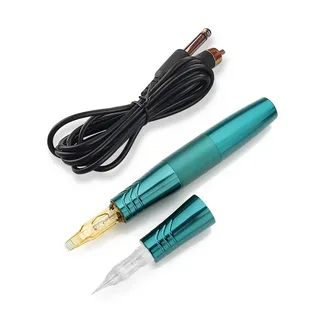
Tattooing has evolved significantly over the years, with new tools emerging to make the process faster, more precise, and more comfortable for both artists and clients. Among the most notable innovations are tattoo pen, which have gained a lot of attention in recent years. But how do they compare to traditional tattoo machines? In this article, we’ll explore the differences between tattoo pens and traditional machines, helping you understand which tool is right for your needs.
Understanding Tattoo Machines
The Classic Tattoo Machine
The traditional tattoo machine, invented by Samuel O’Reilly in 1891, operates using an electromagnetic coil and a set of needles that move up and down to insert ink into the skin. These machines have been the standard for more than a century and are what most professional tattoo artists use.
Traditional machines come in two main types: rotary and coil. Coil machines use an electromagnetic system to move the needle, while rotary machines are powered by an electric motor, providing a quieter, smoother operation.
Pros of Traditional Tattoo Machines
- Established Reliability: They’ve been used for over 100 years and are trusted by artists worldwide.
- Versatility: Traditional machines are highly adjustable, allowing artists to fine-tune the speed, depth, and force of the needles.
- Power: They tend to have more power, which makes them effective for thicker lines and heavy shading.
Cons of Traditional Tattoo Machines
- Weight and Size: They can be bulky, especially coil machines, which can lead to fatigue over long sessions.
- Noise: The buzzing sound from coil machines can be loud and off-putting for some clients.
- Vibration: The vibrations from these machines can be uncomfortable for both the artist and the client, leading to more hand strain over extended periods.
The Rise of Tattoo Pens
What Is a Tattoo Pen?
Tattoo pens are a modern, innovative approach to tattooing. They resemble a pen or pencil and are designed to be lightweight, ergonomic, and easy to handle. They operate similarly to rotary machines but offer more control and precision. Many tattoo pens have a smaller form factor and use a direct drive motor, making them quieter and more comfortable for both artists and clients.
Pros of Tattoo Pens
- Ergonomics: Tattoo pens are lighter and more comfortable to hold, making them ideal for longer sessions. Artists experience less hand fatigue.
- Precision: The slim design allows for greater control, making it easier to create fine lines and detailed work.
- Quiet Operation: Tattoo pens tend to operate much more quietly than traditional machines, creating a more relaxed environment for clients.
- Less Vibration: The direct drive motor results in less vibration, reducing hand strain for the artist and discomfort for the client.
Cons of Tattoo Pens
- Limited Power: Tattoo pens may not be as powerful as traditional machines, making them less suitable for certain styles like heavy shading or bold black work.
- Learning Curve: While tattoo pens are easier to handle in many ways, artists used to traditional machines may need some time to adjust to the pen-style grip and lighter weight.
Key Differences Between Tattoo Pens and Traditional Machines
1. Design and Ergonomics
The most obvious difference between tattoo pens and traditional machines is their design. Tattoo pens are slim, lightweight, and ergonomic, whereas traditional machines can be bulky and heavy, especially the coil types. This makes tattoo pens more comfortable to hold and maneuver, especially during long tattoo sessions.
2. Noise and Vibration
Traditional tattoo machines are notorious for their loud buzzing and strong vibrations, which can be off-putting to both artists and clients. Tattoo pens, on the other hand, are much quieter and have reduced vibrations, creating a more comfortable atmosphere in the studio.
3. Precision and Control
Tattoo pens are designed for precision, making them ideal for fine line work, intricate details, and delicate designs. Traditional machines, while versatile and powerful, may not offer the same level of control due to their size and operation.
4. Power and Durability
Traditional tattoo machines, particularly coil machines, tend to be more powerful and can handle heavy lines, shading, and color packing. Tattoo pens, however, are better suited for detailed work and lighter shading, but may not have the same longevity or robustness as traditional machines.
Which Is Right for You?
The choice between a tattoo pen and a traditional machine depends on several factors:
- For Beginners: Tattoo pens are often easier to handle and less intimidating for beginners, but it’s important to practice and get used to the feel of the tool before moving on to more complex machines.
- For Detail Work: If your primary focus is fine lines, delicate shading, or detailed designs, a tattoo pen might be the ideal choice due to its precision and control.
- For Power Users: If you specialize in bold lines, heavy shading, or larger tattoos, traditional machines might provide the power and versatility you need to get the job done efficiently.
Conclusion
In the debate of tattoo pens vs traditional machines, there is no definitive “better” option—each has its strengths and weaknesses. Tattoo pens offer precision, comfort, and a quieter experience, while traditional machines provide power and reliability. The decision ultimately depends on the artist’s style, the type of tattoo being created, and personal preference.