



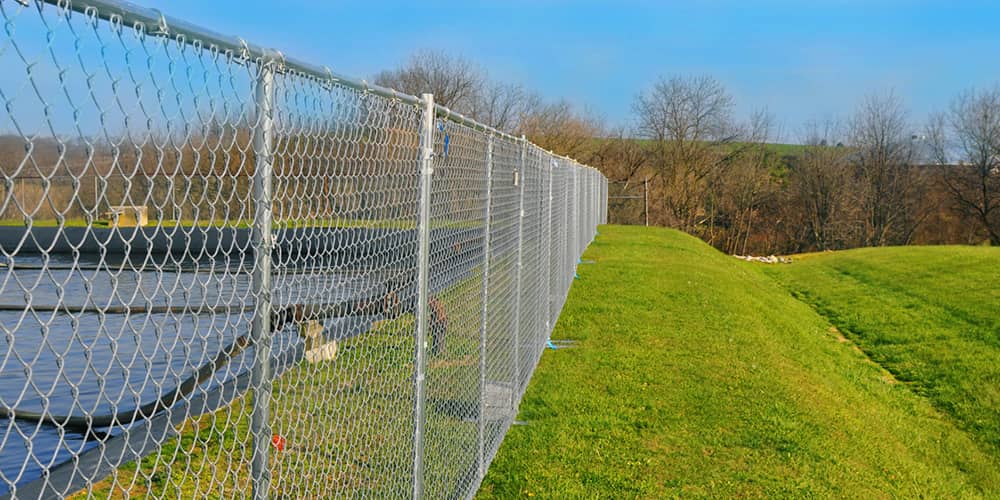
When it comes to managing construction sites, events, or any area that requires controlled access, temporary fence options play a crucial role. Choosing the right fencing solution can improve safety, security, and efficiency, while also ensuring compliance with local regulations. This guide explores the most common temporary fence options and helps you determine which type is best suited for your project.
Understanding Temporary Fence Options
Temporary fencing is designed to be a short-term solution that can be easily installed, moved, and removed. These fences are commonly used in:
- Construction sites
- Outdoor events and festivals
- Roadwork or utility projects
- Private property protection
When considering temporary fence options, it’s essential to evaluate the purpose, location, and duration of use.
Common Types of Temporary Fences
1. Chain Link Fencing
Chain link fencing is one of the most popular temporary fence options due to its durability and versatility. It provides a strong physical barrier and can be used in high-traffic areas. Chain link panels often come with support stands and can be linked together for longer stretches.
Pros:
- Durable and long-lasting
- Reusable for multiple projects
- Easy to install and remove
Cons:
- Limited privacy
- May require additional safety measures in high-security areas
2. Mesh Fencing
Mesh fencing is lightweight and ideal for crowd control at events or construction zones. The panels are often made from steel or PVC-coated wire, providing a flexible yet sturdy barrier.
Pros:
- Lightweight and portable
- Good visibility while restricting access
- Can be customized with signs or banners
Cons:
- Less durable in extreme weather conditions
- Requires careful anchoring to prevent tipping
3. Plastic or PVC Barriers
Plastic or PVC fencing is commonly used for low-risk areas such as temporary parking lots, parks, or pedestrian zones. These fences are highly visible, often bright in color, and simple to assemble.
Pros:
- Lightweight and easy to move
- Cost-effective
- Highly visible for safety purposes
Cons:
- Not suitable for high-security needs
- Less durable than metal options
Factors to Consider When Choosing a Temporary Fence
When selecting the right temporary fence for your project, consider these factors:
- Purpose: Determine whether you need security, crowd control, privacy, or safety.
- Location: Assess ground conditions and potential obstacles.
- Duration: Temporary fences are suitable for short- to medium-term projects. Longer projects may require sturdier options.
- Budget: Evaluate the cost of materials, installation, and removal.
By keeping these considerations in mind, you can select from the various temporary fence options to ensure your project remains secure and organized.
Conclusion
Choosing the right temporary fencing solution is essential for safety, security, and efficiency. From chain link panels to mesh and plastic barriers, there are temporary fence options suitable for a wide range of projects. Carefully assessing your project’s requirements and budget will help you make the best choice, ensuring smooth operations and peace of mind.