



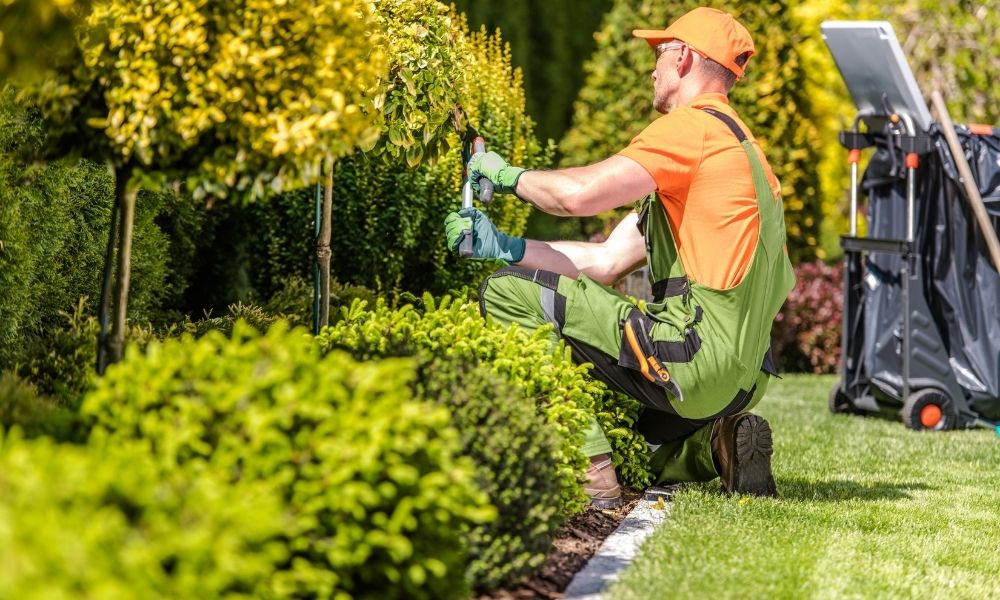
In an era where urban green spaces are increasingly valued for their environmental, aesthetic, and psychological benefits, the expertise of trained professionals has never been more critical. An Arborist and tree surgeon is far more than someone who simply “cuts trees”; they are highly skilled horticultural specialists who combine scientific knowledge, technical precision, and years of practical experience to care for one of nature’s most valuable assets – trees. From preserving ancient oaks in historic parks to maintaining safe, healthy trees in suburban gardens and busy city streets, these professionals ensure that our landscapes remain both beautiful and safe.
What Exactly Is an Arborist and Tree Surgeon?
The terms “arborist” and “tree surgeon” are often used interchangeably, though subtle distinctions exist depending on region and specialization.
- An arborist is a professional trained in the art and science of planting, caring for, and maintaining individual trees, shrubs, vines, and other perennial woody plants. The term comes from the Latin arbor (tree) and modern arboriculture is recognized as a formal branch of horticulture.
- A tree surgeon traditionally emphasizes the remedial and surgical aspects of tree care – pruning, cabling, bracing, cavity treatment, and tree removal when necessary. Today, most qualified practitioners hold both skill sets and are referred to as consulting arborists, certified arborists, or utility arborists depending on their primary focus.
To practice at a professional level, especially on public or commercial contracts, arborists typically hold industry-recognized qualifications such as ISA Certified Arborist, European Tree Worker (ETW), or the UK’s Arboricultural Association Approved Contractor status. These certifications demand rigorous examinations in tree biology, soil science, pest and disease identification, safe work practices, and advanced rigging techniques.
Why Trees Need Professional Care More Than Ever
Trees in urban and suburban environments face stresses that their wild counterparts rarely encounter:
- Restricted root zones caused by pavement and building foundations
- Soil compaction from construction and foot traffic
- Pollution and road salt exposure
- Mechanical damage from vehicles and lawn equipment
- Increased pest and disease pressure in monocultural plantings
- Extreme pruning by unqualified individuals (e.g., “tree topping”)
Without intervention, these factors can lead to structural weakness, decline, and eventual hazard. A qualified arborist and tree surgeon can identify early warning signs – fungal fruiting bodies, canopy dieback, co-dominant stems with included bark, root severance – long before the average homeowner notices a problem.
Core Services Provided by Arborists and Tree Surgeons
1. Tree Health Assessments & Diagnostics
Using tools such as resistographs, sonic tomography, and air-spade root investigation, arborists can assess internal decay and root health non-invasively. Early diagnosis of issues like Acute Oak Decline, Phytophthora ramorum, or Massaria disease of plane can save irreplaceable specimens.
2. Structural & Formative Pruning
Correct pruning is both an art and a science. Crown thinning, crown reduction, crown lifting, and deadwood removal all follow strict standards (BS 3998:2010 in the UK, ANSI A300 in the US) to maintain structural integrity while preserving natural form.
3. Hedge Trimming & Ornamental Shrub Maintenance
While many homeowners attempt DIY Hedge trimming, professional results require far more than a once-a-year hard cut. Formal hedges (yew, box, beech) demand two or even three cuts per season at precise times to encourage dense growth and prevent “browntopping.” Informal flowering hedges such as escallonia or viburnum need selective renovation pruning to maintain bloom while controlling size. Professional-grade equipment – from battery-powered precision shears to tractor-mounted flail cutters – combined with knowledge of each species’ growth habit produces dramatically superior results.
4. Tree Risk Assessment & Hazard Mitigation
Using validated systems such as TRAQ (Tree Risk Assessment Qualification) or VALID, arborists quantify risk and recommend proportionate mitigation – from cabling and bracing to phased removal when retention is no longer defensible.
5. Planting & Transplanting
Far too many newly planted trees fail within five years due to poor species selection, incorrect planting depth, or inadequate aftercare. Arborists advise on right-tree-right-place principles and supervise large-tree transplanting operations using specialist equipment.
6. Emergency Storm Response
After severe weather, qualified tree surgeons work alongside utility companies and local authorities to clear fallen trees, make sites safe, and assess remaining trees for hidden damage.
The Importance of Professional Hedge Trimming
Although often seen as a simpler task, hedge trimming performed incorrectly can cause long-term damage and unsightly results. Common mistakes include:
- Cutting too late in the season, removing next year’s flower buds
- Using blunt tools that tear rather than cut
- Creating a wider top than base (“battering”) leading to snow damage and lower baldness
- Shearing bird nests during breeding season (illegal in many jurisdictions)
Professional arborists time cuts according to species:
- Yew & box: late spring & late summer
- Beech & hornbeam (retaining leaves): August
- Conifer hedges (Leylandii): avoid late summer to prevent browning
- Flowering hedges: immediately after flowering
They also employ tapering techniques, maintain sharp blades, and use laser levels for perfectly straight formal hedges.
Environmental & Legal Responsibilities
Modern arborists operate within a strict framework of legislation:
- Tree Preservation Orders (TPOs) and Conservation Area protections
- Wildlife & Countryside Act (nesting birds, bats)
- Fungi surveys for veteran trees
- BS 5837:2012 Trees in Relation to Design, Demolition and Construction
- Health & Safety Executive rigging and climbing regulations
Reputable firms carry full public liability insurance (often £5–10 million) and employ only NPTC/LANTRA-certified climbers and operators.
Choosing the Right Arborist and Tree Surgeon
Look for these indicators of professionalism:
- Membership of recognized bodies (ISA, Arboricultural Association, ICF)
- Written quotations with detailed specifications referencing BS 3998 or ANSI A300
- Evidence of continuous professional development
- Use of modern, well-maintained equipment (e.g., Silky saws, Stein rigging, Vermeer chippers)
- Client testimonials and before/after galleries
- Transparent waste disposal (100 % recycling where possible)
Avoid “cash-in-hand” operators with ladders and a chainsaw – the risks to both your trees and personal safety are simply not worth it.
The Future of Arboriculture
With climate change bringing more extreme weather, new invasive pests (Emerald Ash Borer, Oak Processionary Moth, Xylella), and increasing urban density, the role of the qualified arborist and tree surgeon will only grow in importance. Emerging technologies – drone inspections, AI-assisted decay detection, and DNA-based pathogen identification – are already being integrated into daily practice.
Yet at its heart, arboriculture remains a craft that blends cutting-edge science with respect for living organisms that can outlive us by centuries. Whether preserving a 400-year-old oak, sculpting a flawless yew parterre through expert hedge trimming, or safely dismantling a storm-damaged poplar over a glass conservatory, today’s arborists and tree surgeons are the guardians of our arboreal heritage.
Investing in professional tree care is not an expense – it is an investment in safety, beauty, biodiversity, carbon sequestration, and the quiet pleasure of living among healthy, mature trees for generations to come.