



Trees bring beauty, shade, and clean air to any environment. Healthy trees also increase property value and create a peaceful atmosphere in gardens and neighborhoods. However, trees need proper care to stay strong and live longer.
Neglecting them can lead to weak branches, disease, or even safety hazards. Following simple but effective tree care practices can help maintain their health and appearance throughout the year.
Regular Watering
Water is essential for tree care. Young trees especially need consistent watering to develop strong roots. During dry seasons, watering deeply ensures that moisture reaches the roots instead of just wetting the surface soil. Overwatering can harm the tree, so it is important to find a balance.
Mulching around the base of the tree can help retain moisture, reduce weeds, and protect roots from extreme temperatures. Regular watering encourages healthy growth and prevents stress that makes trees more vulnerable to pests and disease.
Proper Pruning
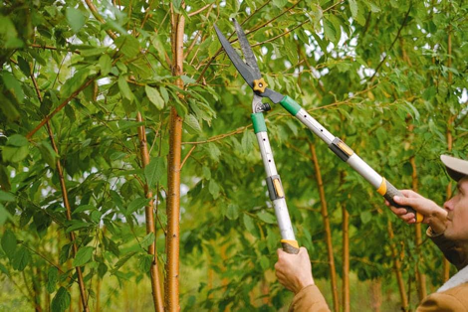
Pruning helps trees stay healthy and look attractive. Removing dead or damaged branches prevents decay from spreading to other parts of the tree. Pruning also improves air circulation and allows sunlight to reach the inner branches.
It is important to use clean, sharp tools and avoid cutting too much at once. Proper pruning maintains the natural shape of the tree and strengthens its structure. Trees with well-managed branches are less likely to break during storms or high winds.
Fertilization
Trees need nutrients to grow strong and resist disease. Fertilization provides essential minerals like nitrogen, phosphorus, and potassium, which may not be available in the soil. Fertilizers should be applied carefully, following instructions based on the tree type and age.
Over-fertilization can damage roots or encourage excessive leafy growth that weakens branches. Healthy trees with adequate nutrients develop better roots, thicker trunks, and vibrant leaves, making them more resilient to environmental stress.
Consider Tree Removal
Sometimes tree removal becomes necessary for safety or property reasons. A tree that is dead, diseased, or leaning dangerously may pose a risk to people and buildings. Removing hazardous trees prevents accidents and protects other nearby trees from damage.
Professional tree removal ensures the process is safe and does not harm the surrounding area. It is important to assess the tree’s condition carefully before deciding removal is necessary, as it can be a permanent solution that prevents future problems.
Protection Against Pests and Disease
Trees can attract pests and diseases that harm leaves, bark, and roots. Regular inspections help detect early signs of infestation or illness. Treating affected trees promptly with appropriate methods prevents problems from spreading.
Avoiding damage to the trunk or roots also reduces the chance of disease. Healthy trees with proper care are naturally more resistant to pests. Maintaining cleanliness around the tree area and removing fallen leaves or branches helps keep the environment safe from harmful organisms.
Conclusion
Tree care is essential for maintaining strong, beautiful, and safe trees. Regular watering, proper pruning, fertilization, monitoring for pests, and understanding when removal is necessary all contribute to tree health. Healthy trees provide shade, improve air quality, and enhance the beauty of outdoor spaces.
Following these tips ensures that trees can grow safely for many years, benefiting both the environment and the people around them.
